
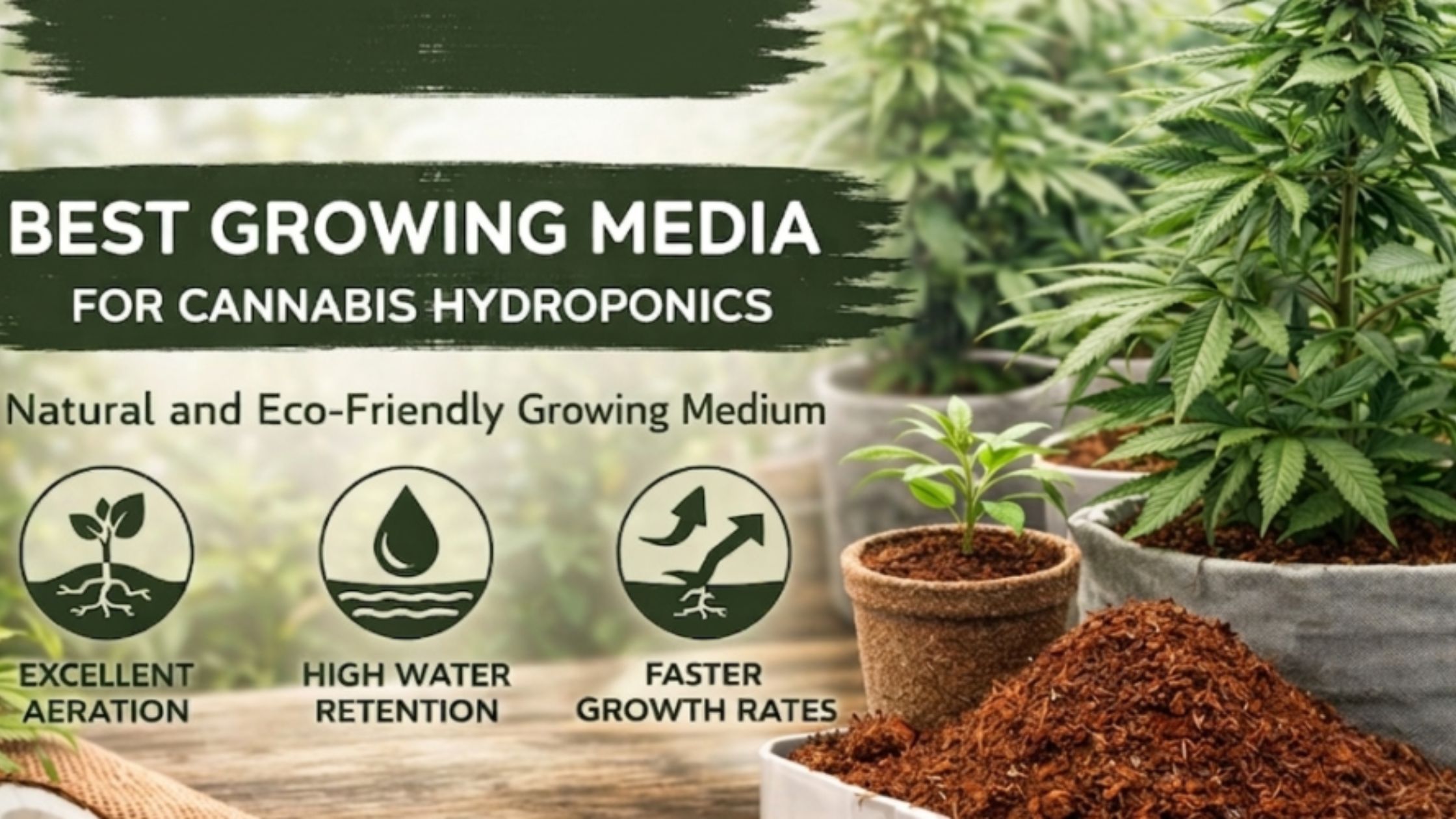
Hydroponic cultivation requires precise control over the root zone environment. Unlike traditional soil gardening, where the earth provides a natural buffer, hydroponic systems rely entirely on the grower to supply nutrients and oxygen. Because the choice of substrate can make or break an operation, selecting the right medium is critical. Today, many commercial indoor cultivators and hobbyists agree that the best coir products for hydroponic farming offer the most reliable, clean, and high-yielding foundations for plant roots.
Understanding the unique benefits of hydroponic coco coir and learning how to select the right product type can help growers easily dial in their irrigation strategies and optimize plant health.
Why Hydroponic Coco Coir Outperforms the Competition
For years, rockwool and clay pebbles were considered the industry defaults for soil-less cultivation. However, coco coir has rapidly overtaken them due to its superior physical characteristics and eco-friendly footprint.
Derived from the fibrous husks of coconuts, premium hydroponic coco coir naturally strikes a perfect balance between water retention and aeration. It acts like a sponge, holding onto essential nutrient solutions while its porous structure ensures that roots are never starved of oxygen. This exceptional drainage capability protects delicate root systems from suffocation and root rot. Additionally, high-quality coir possesses a natural cation exchange capacity (CEC) that helps stabilize pH and electrical conductivity (conductivity levels or EC), giving growers total control over nutrient uptake.
The Top Coir Products for Modern Hydroponic Setups
When looking for the best coir products for hydroponic farming, growers generally choose from three primary formats depending on their specific irrigation setups:
- Hydroponic Coir Slabs: These are tightly compressed, extruded long slabs packaged in UV-resistant plastic sleeves. They are heavily favored in commercial glasshouses for growing vine crops like tomatoes, cucumbers, and berries. Cultivators simply place the slabs in rows, hydrate them, cut drainage slots, and insert drip emitters.
- Open-Top Fabric Pots: Offering incredible convenience, these compressed coir blocks expand directly inside their own breathable fabric containers upon hydration. They eliminate the labor-intensive process of manually filling pots and are perfect for high-density sea-of-green or automated drip setups.
- Loose-Fill Pre-Blended Bags: For setups requiring frequent feeding, pre-buffered loose coir mixed with perlite (often a 70/30 blend) provides ultimate aeration. This combination prevents the medium from compacting over multiple crop cycles, allowing for rapid root expansion.
The Power of Premium, Sustainable Engineering
Finding a consistent, high-performance medium requires partnering with a manufacturer that prioritizes rigorous quality control. Brands like Kaya Coir illustrate how advanced manufacturing processes elevate raw coconut material into an elite hydroponic substrate.
By executing a meticulous five-step process, spanning eco-conscious raw material sourcing, crushing, triple-washing with fresh RO water, drying, and precise compression—they deliver a product that is consistently low in EC and perfectly pH-balanced. Their facilities rely on green manufacturing practices like wind energy and 90% water recycling, ensuring that high crop yields do not come at the expense of the environment. For commercial facilities seeking predictable crop cycles and fewer substrate irregularities, a reliable supply partner is indispensable.
Conclusion: Elevating Your Hydroponic Yields
Selecting the best coir products for hydroponic farming is one of the most impactful decisions a cultivator can make. Investing in a certified, low-salt hydroponic coco coir medium provides plants with an aerated, structurally stable, and responsive root zone. Whether deploying expansive commercial slabs or space-saving open-top fabric pots, matching the right coir format to an irrigation strategy paves the way for vibrant blooms, rapid vegetative growth, and maximized harvest potential.