
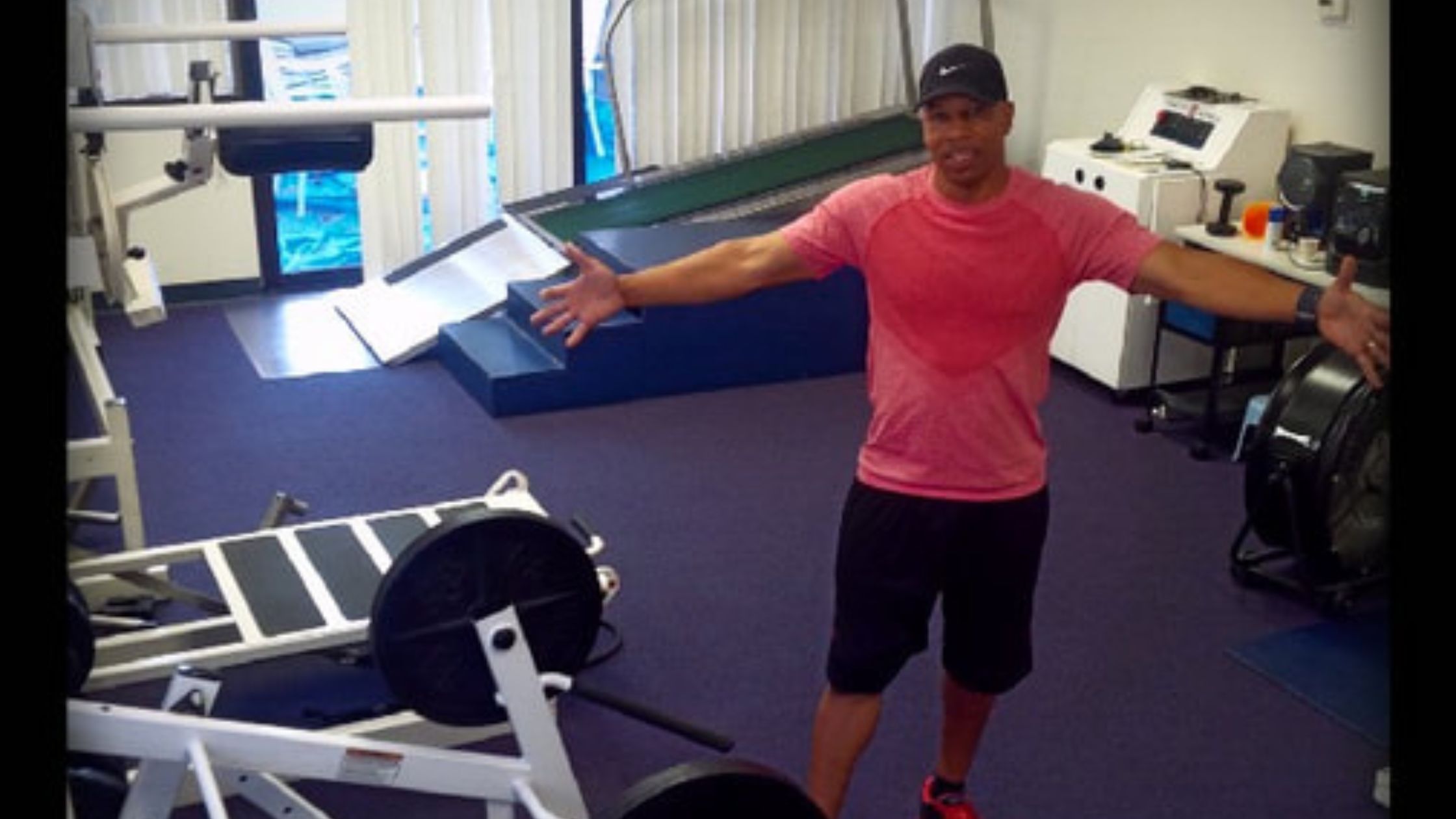
Many athletes spend years lifting weights but struggle to translate that effort into game results. Strength alone does not guarantee better speed, balance, or control under pressure. A focused strength training and conditioning program in San Ramon helps athletes connect strength with real performance outcomes.
Athletes often search for a strength and conditioning training program that goes beyond basic routines. They want structure, progression, and coaching that explains why each movement matters. The right system builds strength that supports speed, agility, and durability during competition.
What Makes Strength Training Effective for Athletes?
Effective strength training follows a clear purpose. It builds force production that athletes can apply quickly and efficiently. Exercises are chosen based on how they support movement, not just muscle growth.
A well-designed program includes:
- Compound lifts that train multiple muscle groups together
- Controlled movements that improve stability and coordination
- Progressive loading that builds strength without overtraining
These elements create a foundation that supports faster and more controlled athletic movement.
How Does Conditioning Fit Into Performance Training?
Conditioning prepares athletes to sustain effort during intense competition. It focuses on endurance, recovery, and energy management across different phases of play. Without proper conditioning, strength gains lose value during longer games.
Conditioning sessions often include:
- Interval training that mimics game intensity
- Sprint work combined with recovery periods
- Drills that build both endurance and movement control
This balance allows athletes to maintain performance from the first play to the last.
Why Is Movement Quality More Important Than Heavy Lifting?
Lifting heavier weights does not always lead to better performance. Poor movement patterns can limit progress and increase the risk of injury. Quality movement ensures that strength supports efficient athletic actions.
Coaches focus on:
- Proper joint alignment during lifts
- Controlled tempo to improve muscle engagement
- Balanced development across the entire body
These adjustments help athletes use strength effectively during real sports situations.
Can Strength Training Improve Speed and Agility?
Strength plays a direct role in speed and agility when applied correctly. Stronger muscles can produce more force, which leads to faster acceleration and quicker direction changes. The key lies in how that strength is trained.
A targeted strength and conditioning training for athletes includes:
- Explosive exercises that convert strength into power
- Plyometric drills that improve reaction time
- Strength movements that support sprint mechanics
This approach ensures that strength gains translate into faster and more responsive movement.
How Does Structured Progression Prevent Plateaus?
Many athletes hit plateaus when training lacks progression. Repeating the same routine limits growth and reduces motivation. Structured programs adjust intensity, volume, and complexity over time.
Progression involves:
- Gradual increases in resistance or speed
- Variation in exercises to challenge the body differently
- Regular performance tracking to guide adjustments
This system keeps training effective and aligned with long term goals.
Why Do Athletes Need Coaching Instead of Self Directed Training?
Self directed training often misses key details that impact performance. Athletes may overlook technique flaws or train without clear direction. Coaching provides feedback that sharpens execution and improves results.
A coach helps athletes:
- Correct movement errors in real time
- Understand the purpose behind each exercise
- Stay accountable to consistent training habits
This guidance builds confidence and reduces wasted effort during training sessions.
How Does Data Shape Better Training Decisions?
Data adds clarity to athletic development. Measuring strength, speed, and endurance helps identify both progress and gaps. Coaches use this information to refine programs and maintain steady improvement.
Common tracking methods include:
- Strength benchmarks for major lifts
- Timed sprint and agility tests
- Recovery and endurance metrics
These insights allow athletes to train smarter and avoid unnecessary setbacks.
A Smarter Way to Build Strength That Lasts
Athletic strength should support performance, not exist in isolation. A structured strength training and conditioning program in San Ramon connects strength, movement, and endurance into one system. Athletes gain more than muscle. They gain control, speed, and resilience.
For those seeking a reliable strength and conditioning training program and effective strength and conditioning training for athletes, the focus should remain on progression and real results. Holland Fitness and Performance reflects this approach through structured programming, technique-focused coaching, and measurable performance development.